Wildlife in Borderlands
Principal Investigator at ZRC SAZU
Miha Kozorog, PhD-
Original Title
Divjad v mejnih regijah
Project Team
Sandi Abram, PhD, Blaž Bajič, PhD, Tatiana Bajuk Senčar, PhD, Boštjan Kravanja, PhD, Špela Ledinek Lozej, PhD, Daša Ličen, PhD, Dan Podjed, PhD, Katarina Šrimpf Vendramin, PhD, Maja S. Gržan-
ARIS Project ID
J6-70232
-
Duration
1 March 2026–28 February 2029 -
Lead Partner
-
Financial Source
Javna agencija za znanstvenoraziskovalno in inovacijsko dejavnost Republike Slovenije

Partners
Filozofska fakulteta Univerze v Ljubljani, Oddelek za etnologijo in kulturno an…
Description:
This anthropological study – in Slovenia and its neighbourhood – sets wildlife at the centre of border research. It will examine the contradictions in the relations between human borders and animals. Unaware of our border convention, animals cross borders freely, which prompts borderwork, i.e. specific human activities of demarcation (through narratives, physical barriers, hunting, landscape ecosemiotics etc.). But by marking boundaries in their environment, people affect animal movement and behaviour, which – in turn – has an effect on their own everyday life. The project will ethnographically explore the relations between borders and wildlife, as border effects affect the movement of wildlife and wildlife affects human borderwork, which plays out differently on different borders.
Project objectives:
The project’s objective is to ethnographically theorize borders as relational, more-than-human entanglements, with special emphasis on forms of borderwork as stimulated by animal movement and behaviour. Its partial objectives are:
- To conduct ethnographic research in six border regions of Slovenia and its neighbouring countries (Austria, Croatia, Hungary, Italy), focusing on human relations arising from animal movement and behaviour.
- To identify and examine the political, economic, and demographic processes rooted in socialist Yugoslavia that generated specific borderland environments and the long-term effects of these processes on animal presence and on the related activities of contemporaries.
- To research discourses on nationality stimulated by animals’ migration. The impacts of wildlife border crossings inspire locals to ascribe animals with the (other) nationality, which in turn gives rise to debates about responsibility for animals in national spaces. The project aims to examine these often heated and affective discourses and relations.
- To study hunters and hunting in border areas, where animals have a different administrative status when they cross the border, which is why cross-border cooperation between hunters is important. How various actors – including hunters themselves – view hunting and hunters as well as how hunters negotiate on the role they play with other actors? The project aims to provide a deeper understanding of hunters, who are uncharted territory in contemporary anthropology of Europe.

On 26 March 2026, Miha Kozorog gave a lecture titled Wildlife, Borders, and the State: Some Anthropological Reflections on Their Relations from Slovenia in the Migration webinar organised by the Centre for Migration Studies at Adam Mickiewicz University in Poznań.
Migration webinar — March 26, 2026
Gora se ne bo premaknila. Projection and discussion. Nova Gorica, 31. 3. 2026
Knowing One’s Place: Hunters and Poachers in the Italian Eastern Alps. Lecture by Jaro Stacul from University of Warsaw. ZRC SAZU, Ljubljana, 10. 4. 2026
Wildlife in Borderlands - Kick-Off Symposium, ZRC SAZU, Ljubljana, 10. 4. 2026. Book of Abstracts.pdf
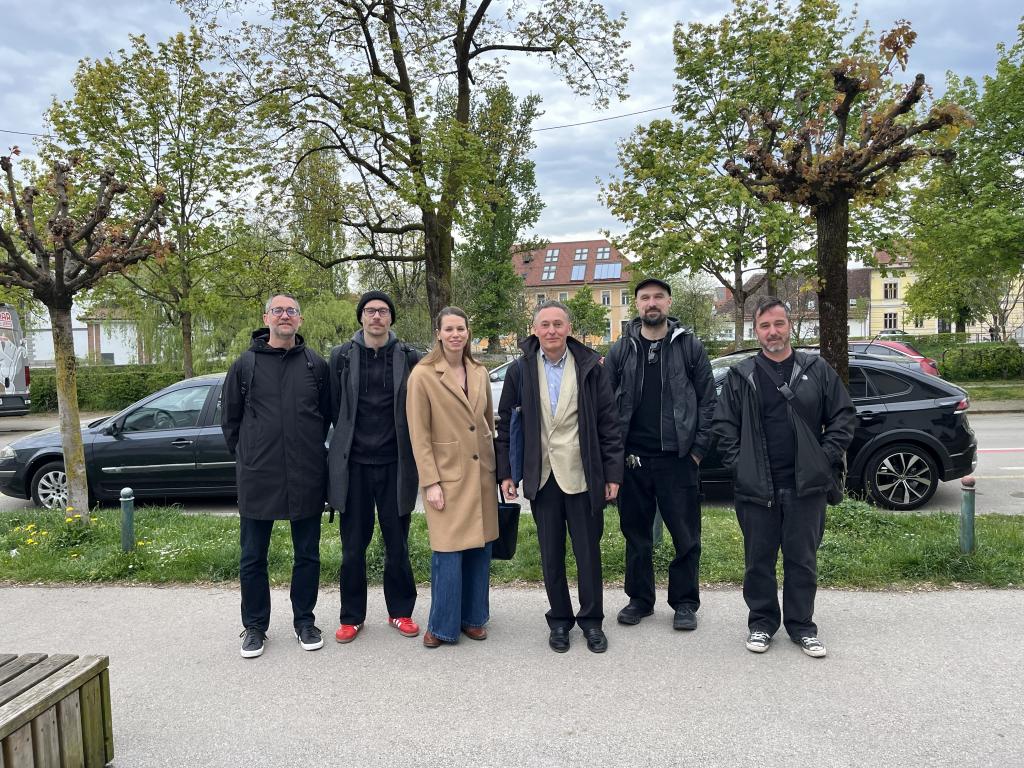
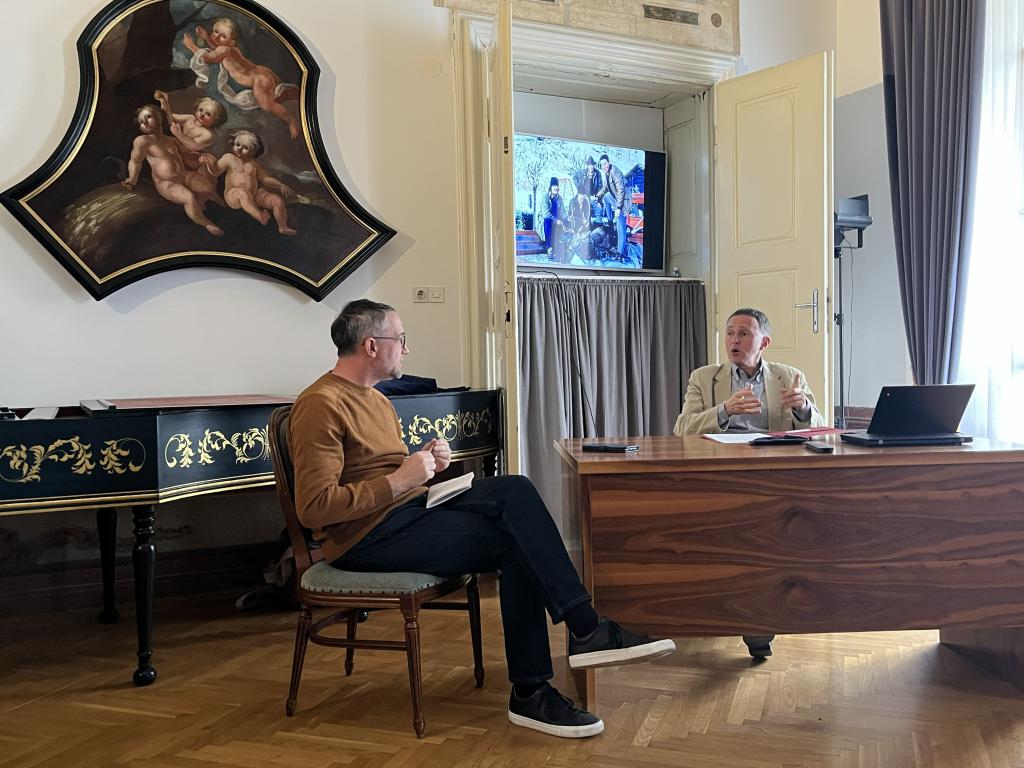
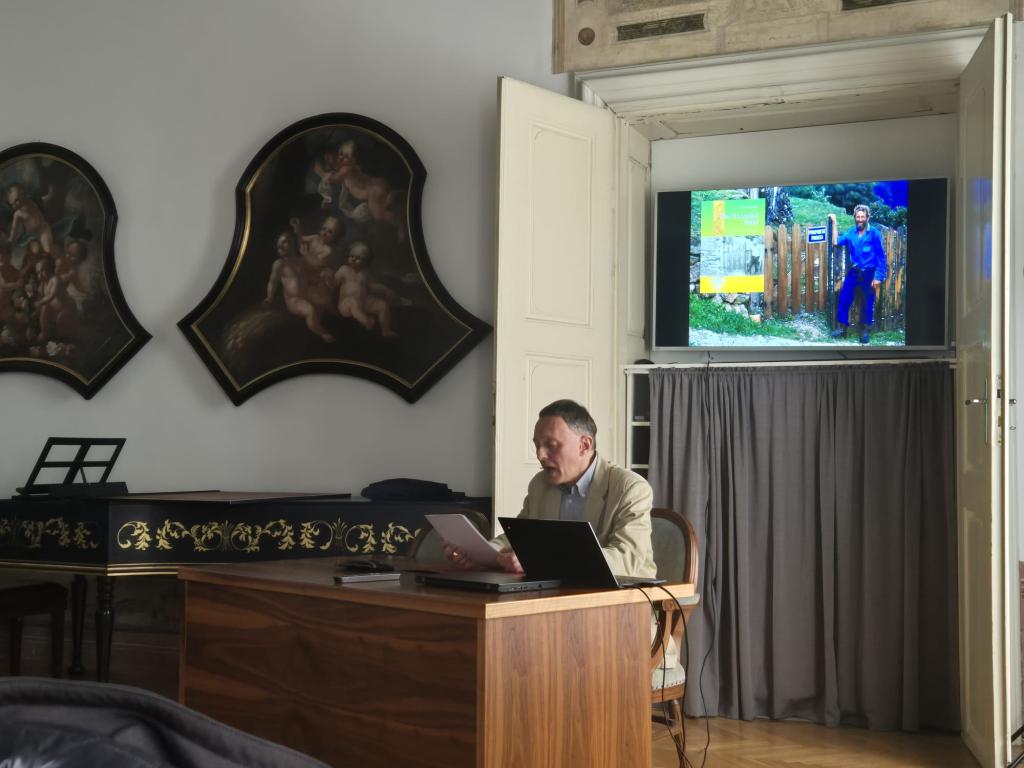
Lov, ribolov in hladna vojna: Prispevek k zgodovinjenju čezmejnega sodelovanja. Lecture by Urška Strle from Institute of Cultural History. ZRC SAZU, Ljubljana, 19. 5. 2026
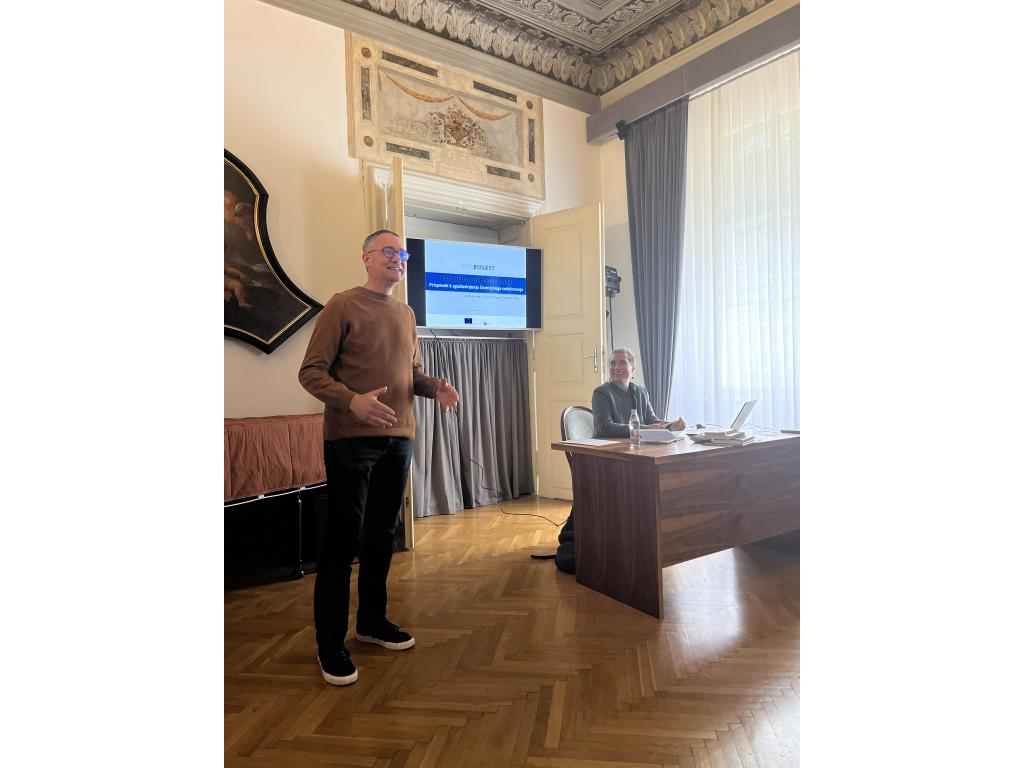
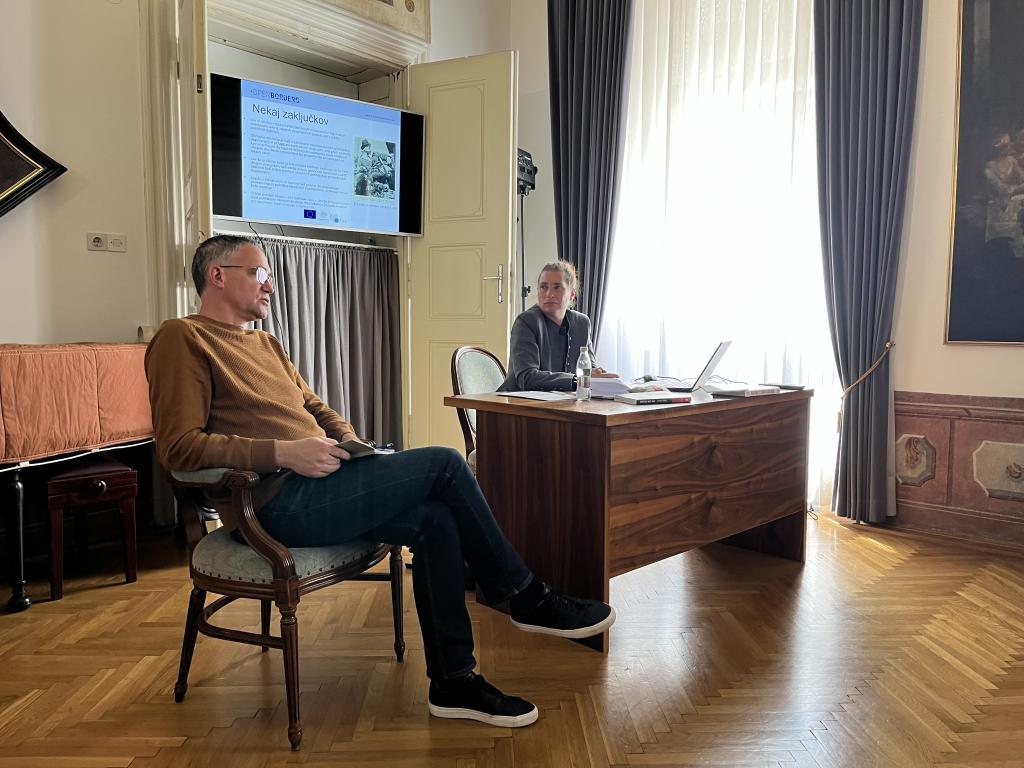
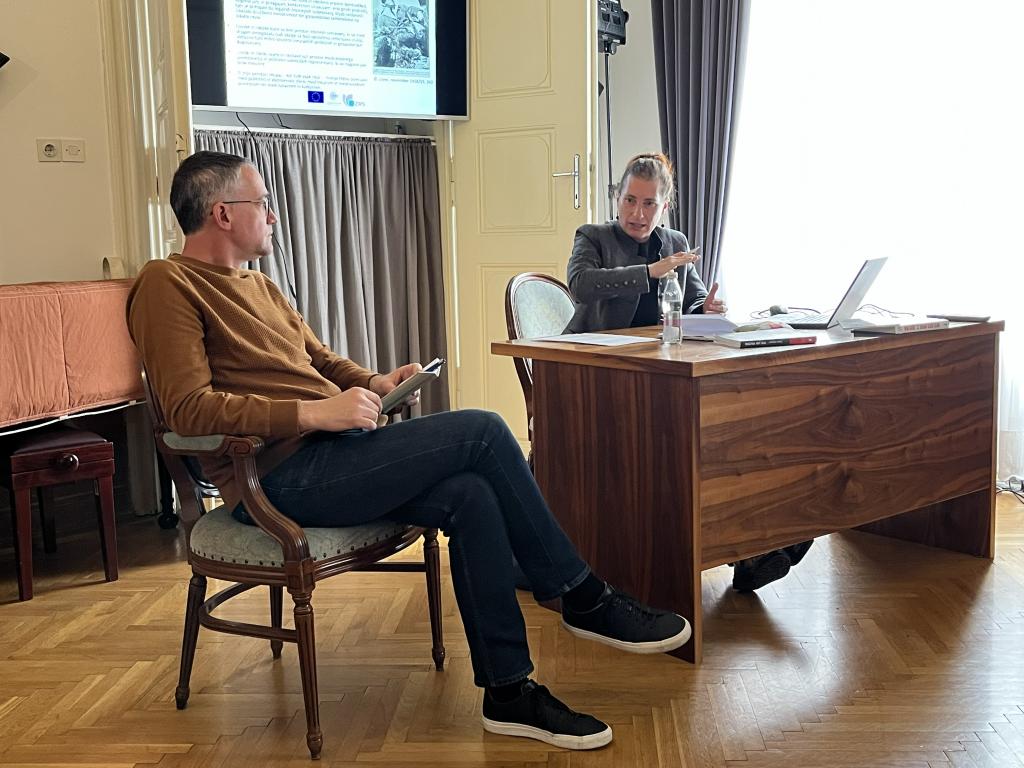
Daša Ličen edited a special issue of the journal Traditiones, for which she wrote the editorial Habsburg History Beneath the Eagle: The Empire and Its Animals, which examines the history of animals in the context of a state whose legacy is still part of everyday life in the areas where the ethnographic research of this project is being conducted.
Organizacija lovstva v Sloveniji in soseščini. Lecture by Dolores Čarga (direktorica Inšpekcije za lovstvo in ribištvo) from Inšpektorat za kmetijstvo, gozdarstvo, lovstvo in ribištvo. ZRC SAZU, Ljubljana, 4. 6. 2026
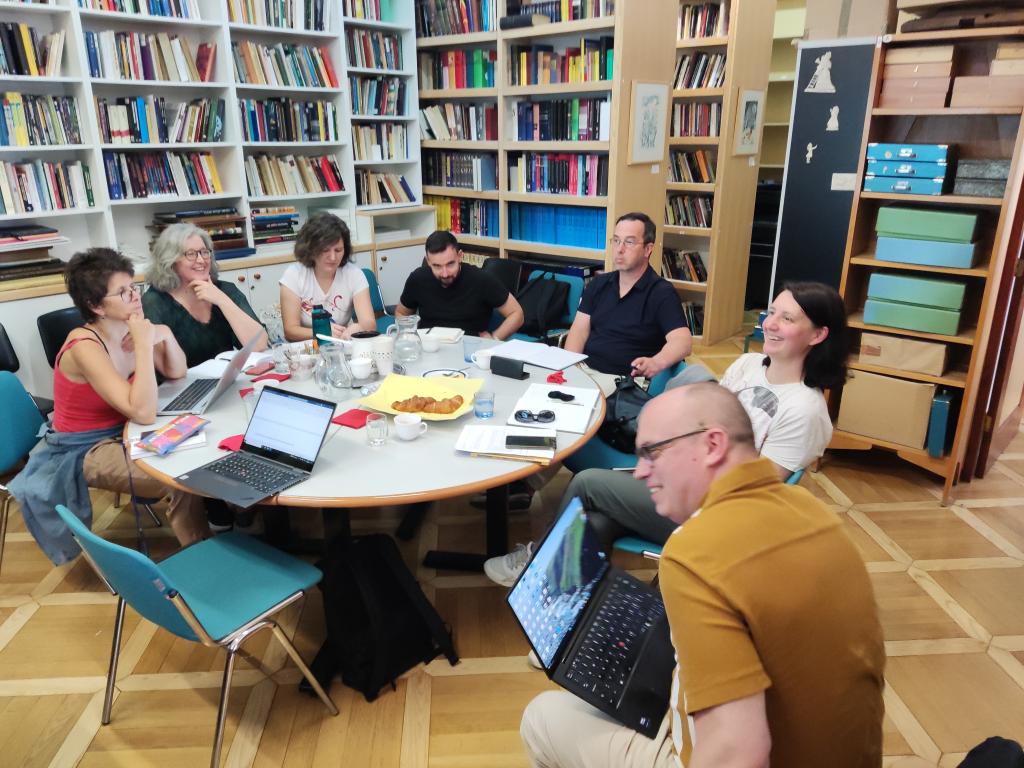
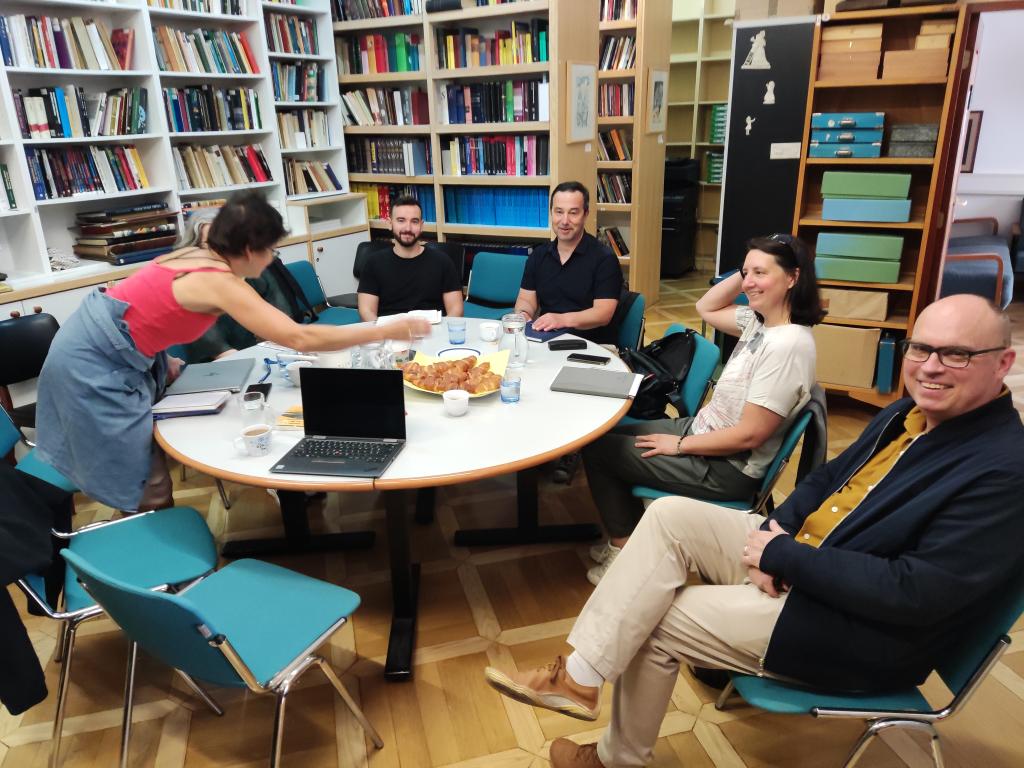
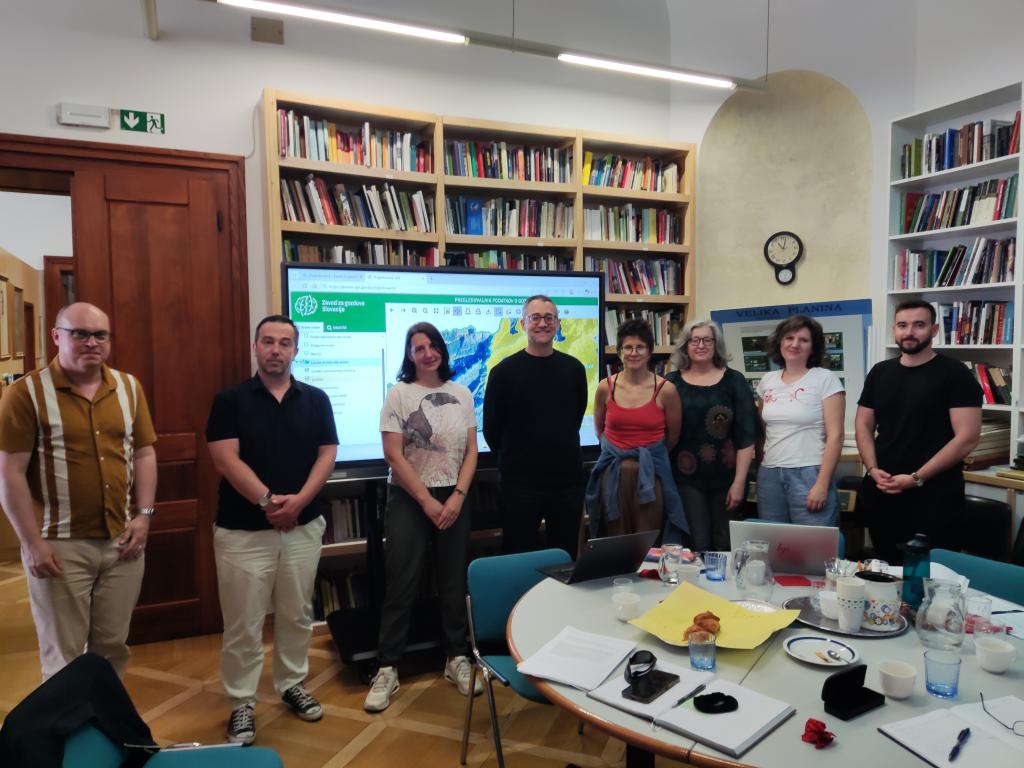
Film Evening on Pastoralism in Trenta, Dom Trenta, July 22, 2026.
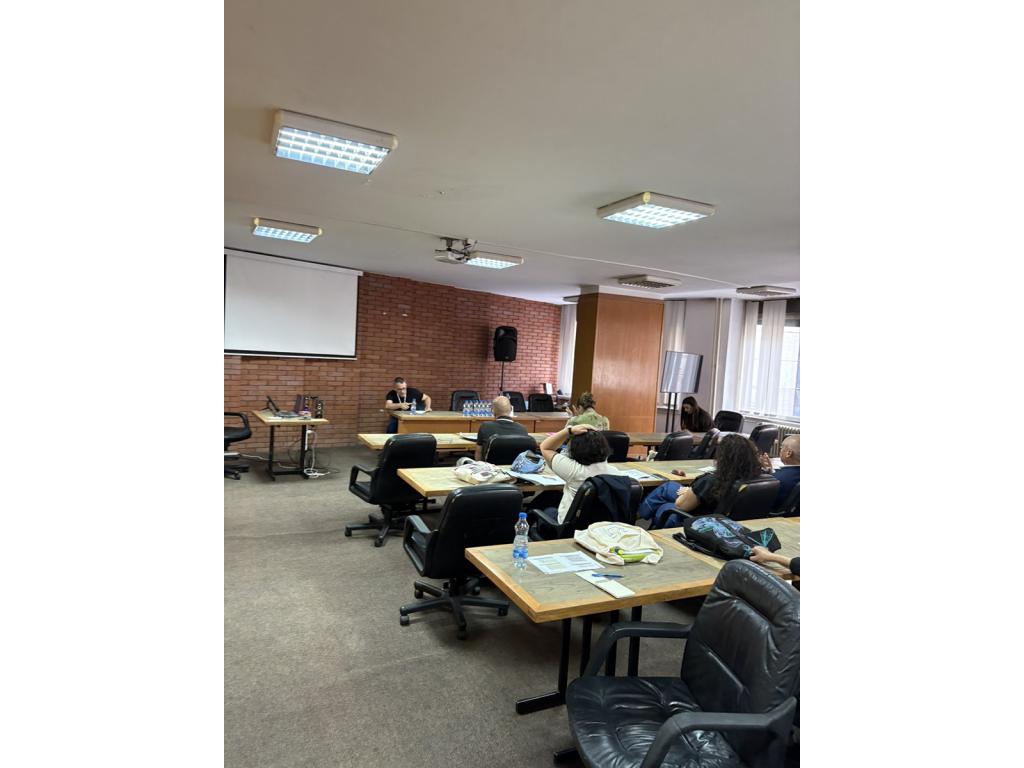
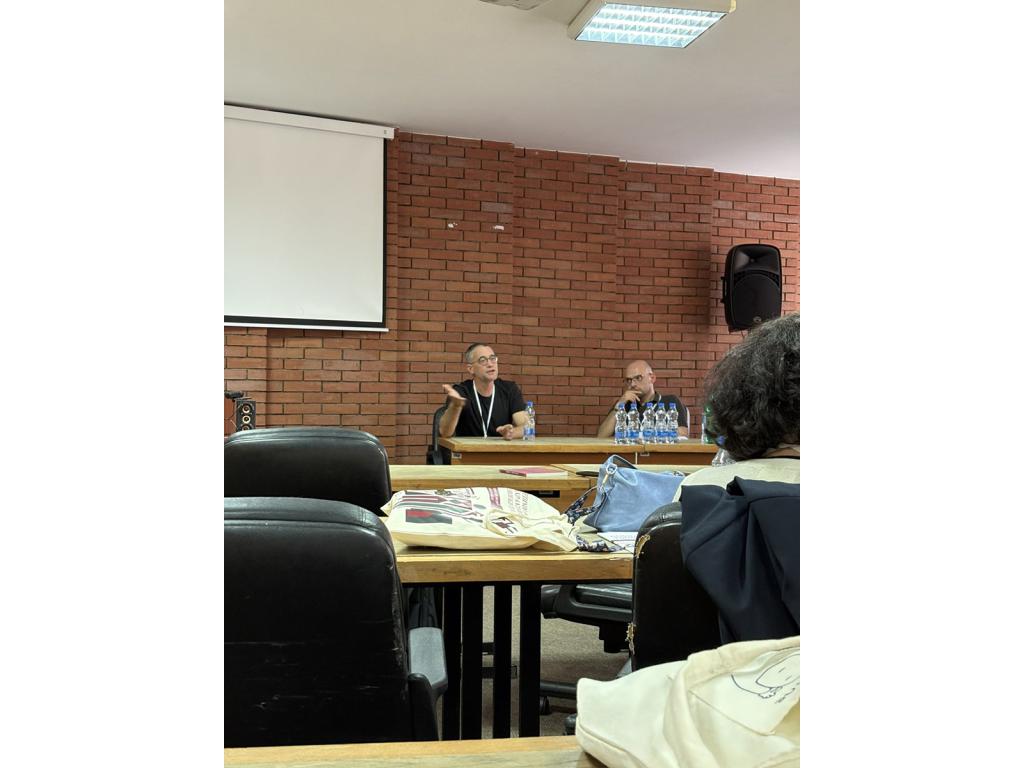
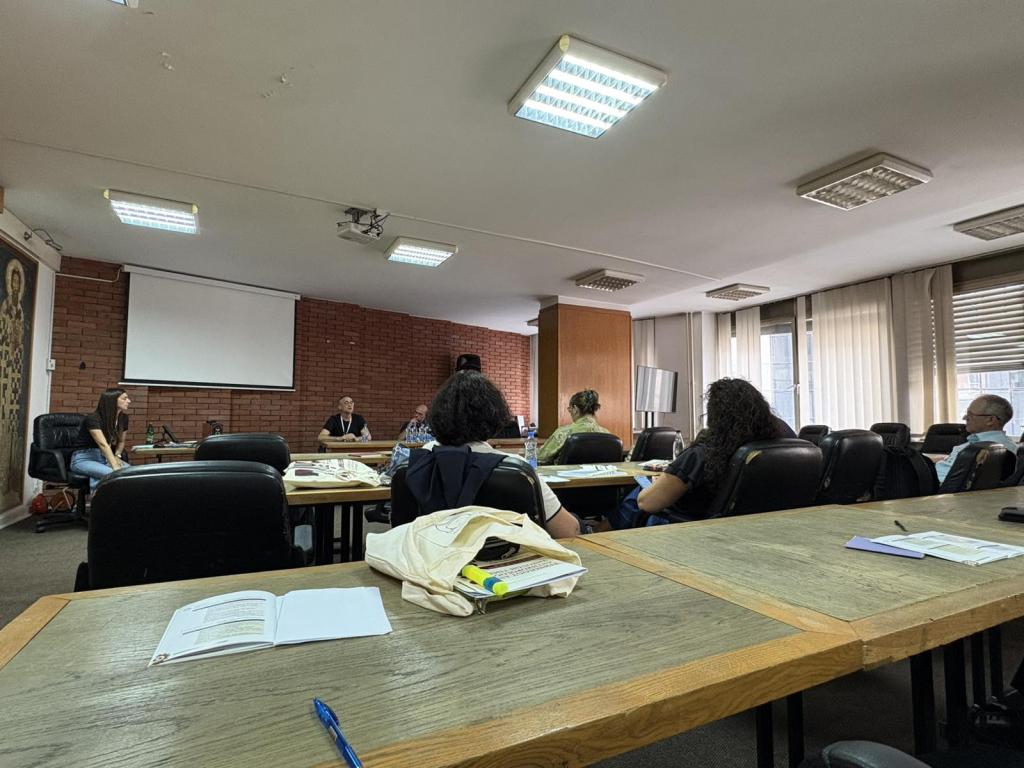
On 12 September 2026, Miha Kozorog presented a paper titled "Animals in Slovenian Ethnology and Anthropology, with Ethnographic Reflections on the Relationship between Wildlife and the State” at the conference Ethnology and Anthropology through Time: Reflections on the Discipline and the Horizons Ahead in Belgrade. Ethnology and anthropology through time - Book of abstracts_0.pdf
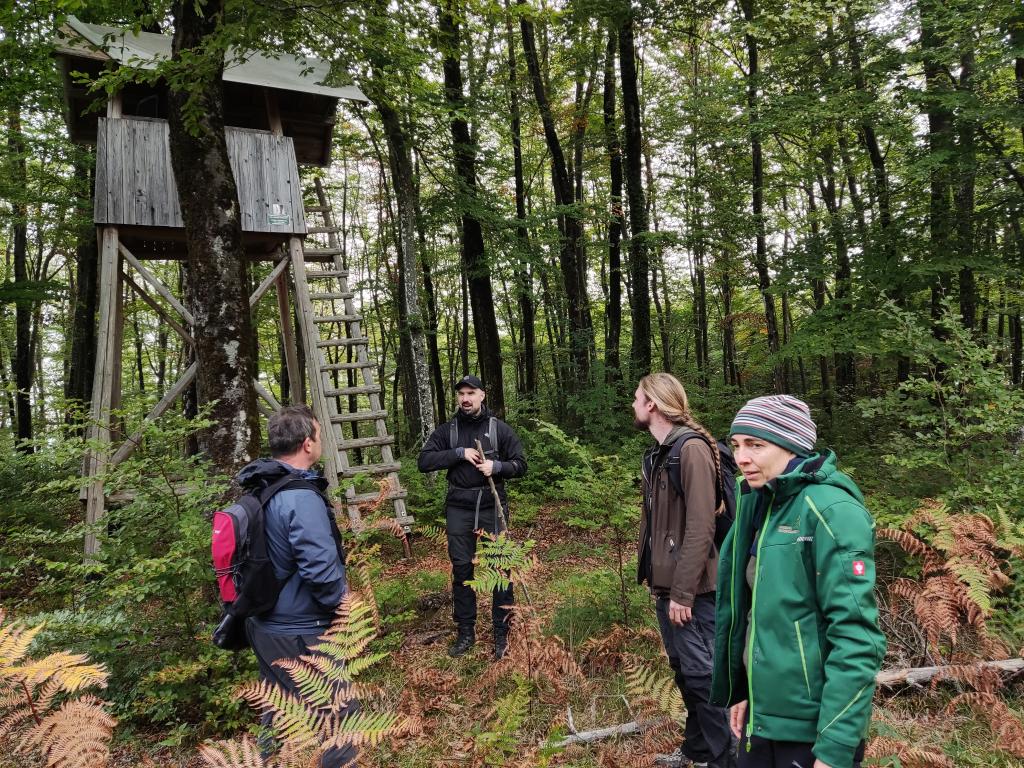
Sensobiographic walk with Marija Jakopin "Čutnobiografski sprehod z Marijo Jakopin". Field-based learning about hunting, the forest and the sensobiographic method in the Turjak forests, 5. 10. 2026.
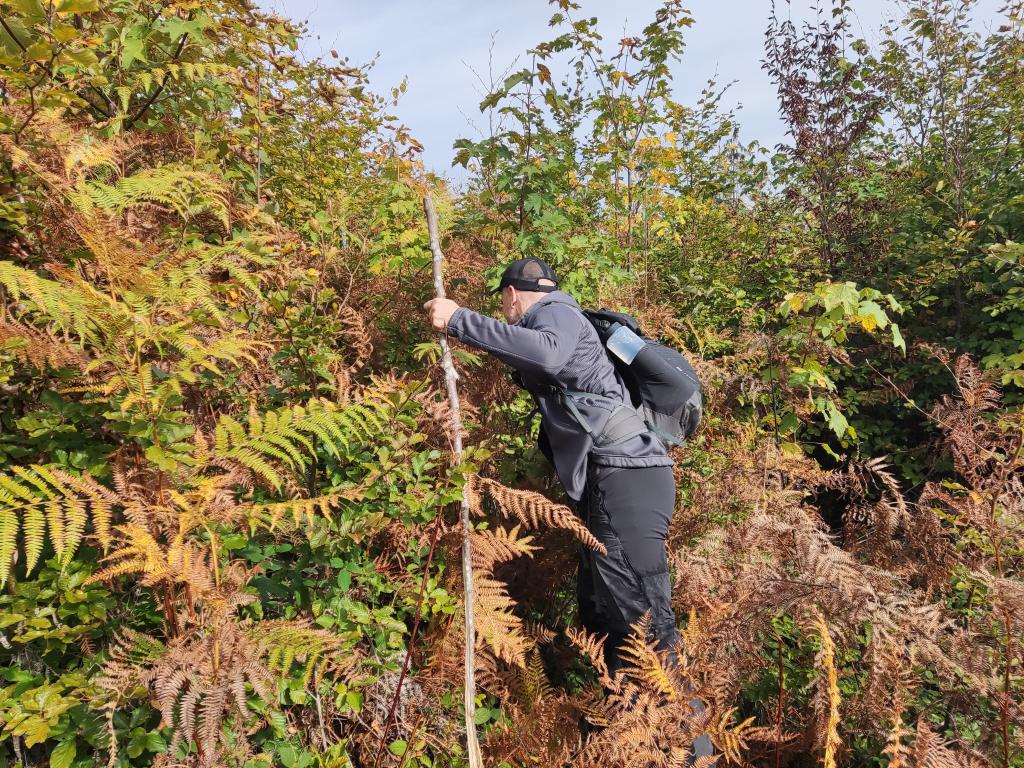
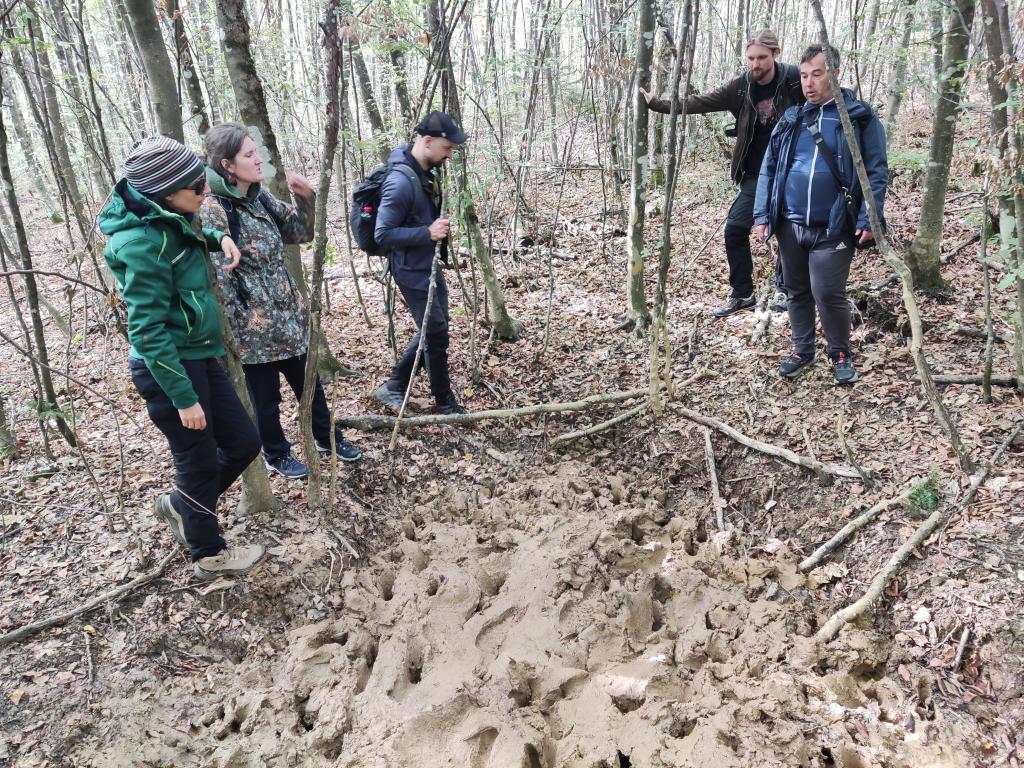
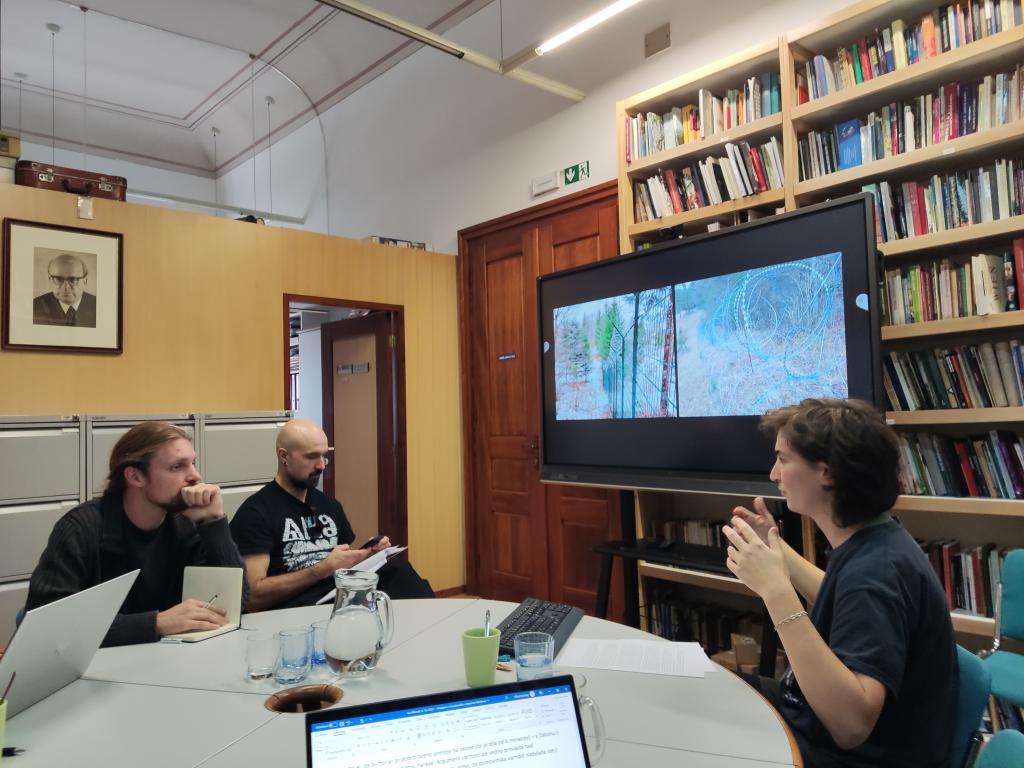
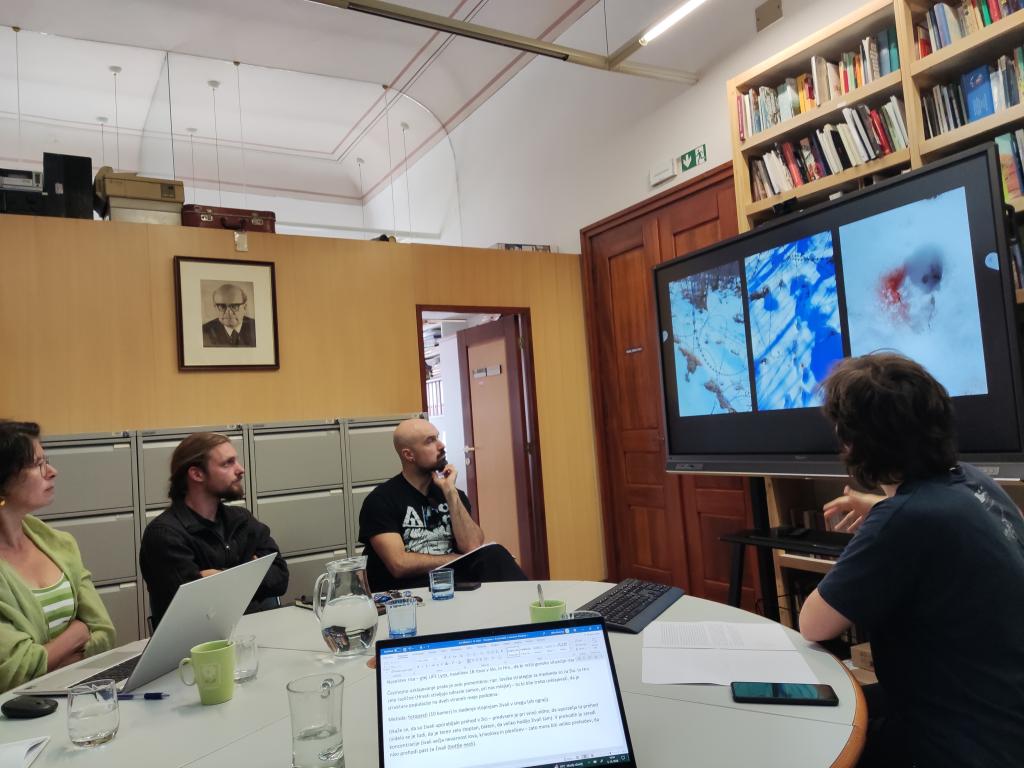
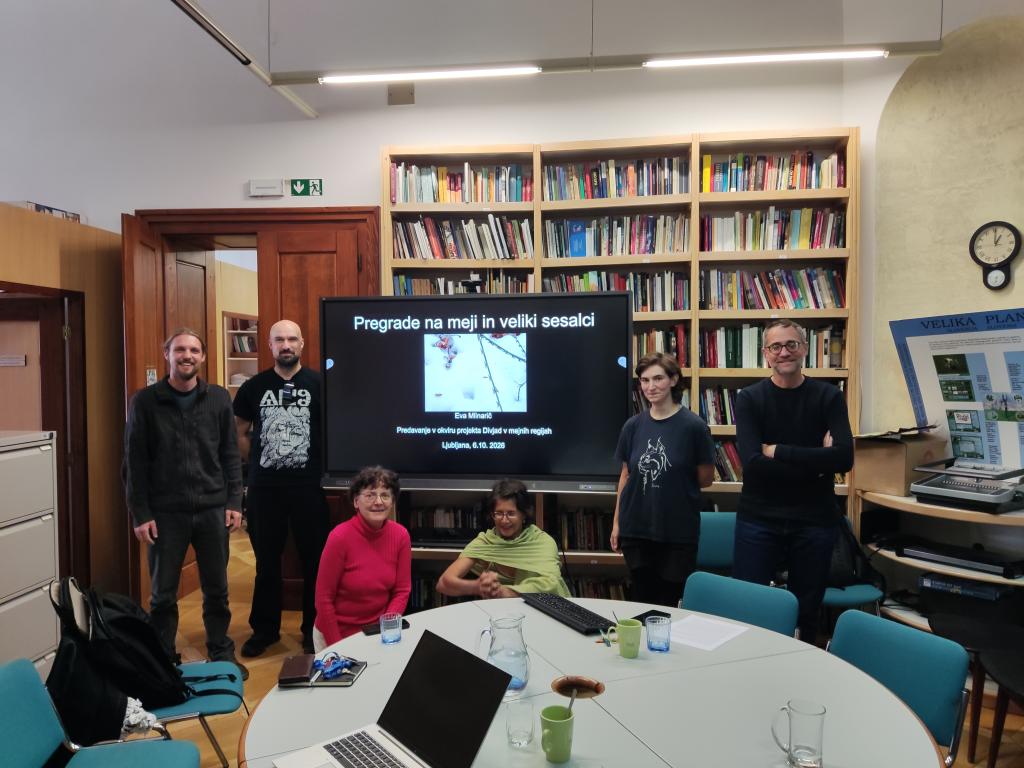
Pregrade na mejah in veliki sesalci. Lecture by Eva Mlinarič (biologinja in ekologinja) from Zavod Republike Slovenije za varstvo narave. ZRC SAZU, Ljubljana, 6. 10. 2026